Tree inspections in Brimsdown
If you need Tree inspections in Brimsdown, you’re likely looking for clear answers, practical advice, and a local team that understands the trees, properties, and access challenges common in this part of Enfield. Whether you manage a family home, a rented property, a commercial yard, a school, a block of flats, or an industrial site, regular tree inspections help you stay ahead of hazards, protect nearby people and buildings, and make better decisions about tree care.
Brimsdown has a varied landscape. You’ll find residential streets close to green spaces, larger plots with mature trees, busy roads, rail infrastructure, and business premises where tree safety matters just as much as appearance. That mix means tree care is rarely one-size-fits-all. A sensible inspection service should look at tree health, structural integrity, species-specific concerns, root activity, surrounding targets, and the practical reality of carrying out work safely on site.
Our approach to tree inspections is built around real customer needs: identifying problems early, reducing risk, and giving you useful information you can act on. If you’re unsure whether a tree needs pruning, monitoring, remedial work, or urgent attention, a proper inspection is the first step. Contact us today to arrange an assessment and get clear, professional guidance for your trees in Brimsdown.
Why tree inspections matter for Brimsdown properties

Tree inspections are about more than checking whether a tree “looks fine” from a distance. Many issues only become obvious when the tree is assessed up close by someone with practical arboricultural experience. Hidden decay, weak branch unions, cracks, deadwood, pest damage, poor growth patterns, root disturbance, and storm-related weakness can all increase the chance of branch failure or tree collapse.
In Brimsdown, that matters for a wide range of reasons. Homes often sit near mature boundary trees, shared access ways, parking areas, and gardens where branches overhang sheds, conservatories, garages, and driveways. Commercial and industrial sites may have frequent vehicle movement, loading areas, staff walkways, or public access points where a poorly maintained tree could create avoidable risk. An inspection helps identify those concerns before they become costly or disruptive.
Tree inspections in Brimsdown are also useful for long-term tree care. A healthy-looking tree may still need monitoring because of age, species, soil conditions, or previous pruning history. Early detection often means smaller, less disruptive interventions later. In many cases, a timely inspection can help you avoid emergency callouts, property damage, or unnecessary removal.
Who benefits from a local tree inspection service?
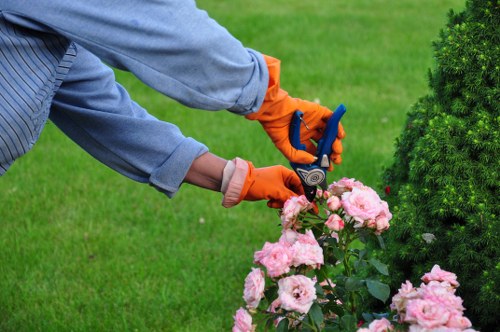
Local tree inspections are useful for a broad range of customers in and around Brimsdown. Homeowners often want reassurance before or after a storm, when planning renovations, or when a tree seems too close to the house or boundary line. Landlords and managing agents may need inspection records to manage responsibilities across shared gardens, parking areas, and communal walkways. Commercial clients may want a proactive plan for maintaining safe surroundings for staff, visitors, and vehicles.
Different property types bring different concerns. A Victorian or older house with mature trees may need attention to roots near foundations, historic pruning wounds, or heavy limbs extending over a roof. A modern estate might need checks on smaller ornamental trees and recently established planting, where issues can still arise from poor staking, wind exposure, or weak root development. On business premises, there may be added considerations around access control, loading bays, and the presence of overhead services.
The value of a local service is practical knowledge. A team that works in and around Brimsdown understands how site conditions, traffic routes, and neighbouring properties affect the way an inspection is carried out. That local understanding can make the process smoother, safer, and more useful for the customer.
What a tree inspection can uncover

A thorough tree inspection looks at the visible signs of tree condition and the setting around it. The aim is not simply to label a tree “good” or “bad,” but to identify risks, note patterns, and provide sensible next steps. A good inspection considers the whole picture, including the tree’s structure, growth habit, surroundings, and any signs of previous stress.
Common issues that may be identified include:
- Dead, dying, or hanging branches
- Cracks, splits, or weak points in limbs or the trunk
- Fungal fruiting bodies that may suggest decay
- Root heave, soil movement, or lifting near the base
- Signs of pest damage or disease
- Overextended branches near roofs, roads, or footpaths
- Storm damage or historic pruning problems
- Close proximity to buildings, fencing, lighting, or power lines
Sometimes the problem is not immediate danger but progressive decline. In those cases, regular monitoring can be the most appropriate response. This is especially useful where trees are valuable for shade, privacy, screening, or appearance, and you want to keep them healthy for as long as possible while managing risk responsibly.
How tree inspections are carried out
Every site is different, but most inspections begin with a visual assessment of the tree from ground level and of the surrounding area. The inspector will look at the trunk, branches, canopy shape, base, and root zone, along with site conditions that might influence tree stability or future growth. If there are access limitations, these are taken into account from the start so the inspection remains safe and efficient.
In some cases, a closer inspection may be recommended if there are signs that need further checking. That could involve assessing a specific defect, reviewing the impact of previous storms, or looking at a tree that is growing close to a structure or public area. The purpose is to make sure the advice given is proportionate to the situation and useful for your decision-making.
For many customers, the most important thing is clarity. After the inspection, you should understand what was found, how serious any issue is, and what should happen next. That may mean no immediate action, routine monitoring, pruning, deadwood removal, root-related advice, or more urgent work if the tree presents a higher level of concern. Book your service now if you want a clear, practical assessment rather than guesswork.
What is included in a tree inspection service?
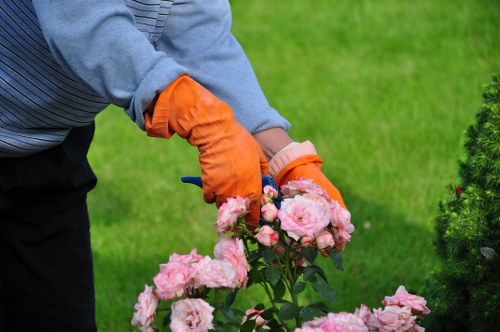
A professional tree inspection should be structured around your property and your concerns. While the exact scope may vary, customers in Brimsdown usually benefit from a service that includes a careful visual assessment, discussion of any concerns, and straightforward recommendations. The goal is to help you make an informed choice, whether the tree needs work now or simply ongoing attention.
Typical elements of the service can include:
- Initial discussion about the trees you are concerned about
- Visual assessment of tree condition and structure
- Review of defects, deadwood, decay, or storm damage
- Checking the tree’s relationship to nearby buildings, paths, fences, and parking areas
- Assessment of root zone concerns and ground conditions where relevant
- Advice on pruning, crown management, or removal if needed
- Recommendations for ongoing monitoring where immediate work is not necessary
Tree inspections in Brimsdown are especially valuable where several trees are involved. Instead of dealing with each one reactively, you can create a sensible plan that prioritises the most important concerns first. That saves time, helps with budgeting, and reduces the likelihood of surprise problems later.
Local conditions that affect tree health and safety
Brimsdown includes a mix of residential roads, transport links, open plots, and commercial premises, and those conditions can influence how trees grow and how they behave in strong weather. Trees near busy roads may experience pollution, compacted soil, restricted rooting space, and regular disturbance. Trees near buildings may compete for light and space or show signs of uneven growth as they lean toward open areas.
Soil conditions can also make a difference. Compacted ground, hard landscaping, reduced drainage, and construction activity can all affect root development and long-term stability. In some locations, trees planted many years ago may now be growing in spaces that no longer suit their size, creating pressure on boundaries, access routes, or nearby structures. An inspection can help determine whether the tree is adapting well or whether it needs management.
Weather is another important factor. High winds, heavy rain, and seasonal storms can expose weaknesses that were already present but unnoticed. A tree that looked acceptable during calmer weather may show signs of movement, branch stress, or root instability after a period of bad weather. That is why local customers often request inspections after storms or during times of visible change. Early checking is usually far easier than emergency dealing.
Residential tree inspections in Brimsdown

For homeowners, tree inspections often start with a simple concern: a branch that seems too close to the roof, a tree that is leaning more than before, leaves that look sparse, or a neighbour raising a question about overhanging limbs. These situations can be stressful because they affect safety, privacy, and day-to-day use of the property. A clear inspection removes uncertainty and gives you practical options.
Residential customers in Brimsdown often ask for inspections because they want to protect family members, visitors, and parked vehicles, while also keeping the garden usable. Trees can provide shade and character, but if left unchecked they may begin to affect gutters, boundary fences, patios, paths, or outbuildings. When a local team inspects the tree, they can help you understand whether the issue is cosmetic, maintenance-related, or potentially structural.
Tree inspections also help when you are planning home improvements. Extensions, driveway work, fencing, garden redesigns, and loft conversions may all be affected by nearby trees. It is wise to check in advance rather than discovering later that a branch, root system, or canopy spread will complicate the project. In many cases, a small adjustment to the tree management plan can make the rest of the work easier.
Commercial and site management inspections
Businesses in and around Brimsdown often need a more structured approach to tree safety. Sites with staff parking, customer access, storage yards, or foot traffic need trees to be managed with both safety and practicality in mind. A fallen branch or unstable tree can cause disruption, block access, damage property, or create a hazard for people on site.
For commercial customers, inspections can be especially helpful when planning routine maintenance. They provide a basis for prioritising work, budgeting across multiple trees, and addressing urgent concerns first. If a site includes several trees, a sensible inspection programme can reduce disruption by combining checks and scheduling work at times that suit operations.
Businesses also benefit from the local knowledge of a team that understands access arrangements, loading times, and site constraints. If parking is limited or vehicles must keep moving, an inspection can be arranged with those practicalities in mind. That makes it easier to keep the site safe without unnecessary interruption to operations.
Signs you should arrange an inspection sooner rather than later
Some tree issues are obvious, while others develop slowly. If you notice changes in a tree’s appearance or behaviour, it is sensible to act early. Waiting may allow a manageable issue to become more expensive or more difficult to handle. A prompt inspection can provide reassurance or highlight a need for action before the next storm or seasonal change.
Consider arranging an inspection if you notice any of the following:
- Large dead branches or deadwood in the crown
- A sudden lean or visible movement at the base
- Cracks, cavities, or split limbs
- Mushroom-like growths or other signs of decay
- Branches touching roofs, windows, or utility areas
- Roots lifting paving or affecting nearby surfaces
- Leaves thinning out more than usual or poor seasonal growth
- Recent storm damage, even if the tree still looks standing
If you are unsure whether what you have noticed is serious, that is exactly when an inspection is worthwhile. A professional assessment can tell you whether the concern is minor, needs watching, or requires urgent attention.
How to prepare for a tree inspection
You do not need to do much before an inspection, but a little preparation can make the visit smoother and help ensure nothing important is missed. The more clearly you can explain your concern, the easier it is for the inspector to focus on the right areas. This is particularly useful where there are several trees on site or where access is limited.
A simple preparation checklist can include:
- Make a note of which tree or trees are causing concern
- Think about when you first noticed the issue
- Clear access where possible to the area around the tree base
- Move vehicles if they would block a view of the tree
- Point out any nearby structures, paths, fences, or drains you are worried about
- Share any history of previous pruning, storm damage, or subsidence concerns if relevant
- Let the inspector know about restricted access, locked gates, or shared areas
Good preparation does not need to be complicated. Even a short conversation about what you have noticed can save time and improve the quality of the assessment. If you are managing a commercial or communal site, it can also help to gather any previous records or maintenance notes before the visit.
Understanding pricing factors
Customers often want to know what affects the cost of a tree inspection, and that is a sensible question. Exact pricing depends on the scope of the work rather than a single fixed figure, because every site in Brimsdown is different. A small front garden tree with easy access is not the same as a group of mature trees across a commercial yard or communal property.
Factors that may influence the cost include:
- Number of trees to be inspected
- Size, age, and species of the trees
- Ease of access to the site
- Whether the inspection is visual-only or needs a closer look at specific defects
- Complexity of the property layout
- Urgency of the request
- Need for follow-up recommendations or further tree work
It is usually best to request a tailored quote so you know exactly what is included. That way you can compare options fairly and choose the level of service that suits your property and your concerns. If you want to move forward, request a free quote and explain the tree, the location, and the issue you want assessed.
Why choose a local company for tree inspections in Brimsdown?
There are good reasons to choose a local team for tree inspections in Brimsdown. Local knowledge helps with everything from traffic and parking considerations to the types of property layouts and tree species commonly found in the area. It also helps when timing the work around access restrictions, busy periods, and weather conditions.
A local company is often better placed to respond quickly when you need an inspection after storm damage or when a concern becomes urgent. That can be important for both domestic and commercial customers, especially where trees affect entrances, footways, or areas used by children, customers, staff, or delivery vehicles. The aim is to give you reliable information without unnecessary delay.
There is also value in continuity. If you need ongoing monitoring rather than one-off advice, working with a local provider means the same team can revisit the site and track changes over time. That continuity can be especially helpful for mature trees, mixed planting, and sites with a history of previous work.
Areas covered around Brimsdown
Tree inspections in Brimsdown often extend to nearby neighbourhoods and adjoining parts of Enfield where property types and site conditions are similar. This can include residential streets, shared access roads, and commercial areas where tree safety and maintenance need careful attention. If you are slightly outside the immediate centre of Brimsdown, it is still worth asking whether your site can be included.
Nearby customers may be based in surrounding parts of north London and the wider Enfield area, particularly where homes, business units, and green boundaries create similar inspection needs. The most important thing is not the exact postcode boundary, but whether the site can be visited efficiently and safely while providing the right level of assessment.
If you are managing multiple sites, it may be possible to combine inspections across nearby locations to make scheduling easier. This can be useful for landlords, facilities teams, and property managers who want a straightforward plan for several trees rather than handling each one separately.
What happens after the inspection?
Once the inspection is complete, you should receive clear advice on the condition of the tree and what action, if any, is needed. In many cases, the next step may be simple monitoring, especially if the tree is stable and the concern is minor. In other situations, tree surgery, crown reduction, deadwood removal, or further investigation may be recommended.
The important thing is that the next steps are proportionate. Good tree care is not about doing unnecessary work; it is about taking the right action at the right time. A tree inspection should help you avoid both extremes: ignoring a genuine risk and carrying out unnecessary intervention on a tree that can safely be retained.
For customers with several trees, it can be helpful to create a priority order. High-risk trees, trees close to buildings, and those near public areas should usually be considered first. Lower-risk trees can then be monitored or scheduled into later maintenance rounds. This makes planning easier and helps spread costs sensibly over time.
FAQs about tree inspections in Brimsdown
How often should I have my trees inspected?
The right frequency depends on tree age, species, location, and condition. Some trees only need occasional checks, while others benefit from regular monitoring, especially if they are mature, stressed, or close to buildings and busy areas. If you are unsure, start with a professional inspection and ask for advice on follow-up timing.
Do I need an inspection after strong winds or storms?
Yes, if you notice broken branches, movement, lifting roots, or changes in the way a tree is standing, an inspection is sensible. Even if there is no obvious damage, a storm can expose hidden weaknesses that should be checked before the next period of bad weather.
Can an inspection tell me if a tree needs to be removed?
An inspection can identify when removal may be the safest option, but it can also show when a tree can be retained with appropriate care. Removal is only one possible outcome, and many trees can be managed with pruning, monitoring, or other targeted work.
What if the tree is on a boundary?
Boundary trees can be sensitive, especially where responsibility is shared between neighbours or where branches and roots cross property lines. An inspection can help clarify the condition of the tree and the practical options, but you may also need to discuss ownership or permissions before any work is carried out.
Will the inspection be disruptive?
Most inspections are straightforward and cause little disruption. Access may be needed around the base of the tree and nearby areas, so it helps to move cars or unlock gates where necessary. For larger or more complex sites, the team will plan the visit to suit the property layout.
Ready to arrange tree inspections in Brimsdown?
If you are concerned about a tree on your property, or you simply want to make sure everything is in good order, a local inspection is the best place to start. It gives you practical information, helps you manage risk, and supports better decisions about maintenance and future care. Whether your concern is a single garden tree or a wider site with multiple trees, the right assessment can make a real difference.
Tree inspections in Brimsdown are a smart choice for homeowners, landlords, managing agents, and businesses that want clarity and confidence. From overhanging branches and storm damage to long-term monitoring and site management, a professional check can help you plan the next step properly.
Contact us today to discuss your trees, request a free quote, and arrange a visit at a time that works for your property. If you are ready to protect your home, business, or shared space, book your service now.